AI Receptionist for UK Private Medical Practices: The Ultimate Guide
The Changing Landscape of UK Private Healthcare Administration
I’ll be honest. The private medical sector in the UK has gotten spoiled. Patients expect Michelin-star service but with NHS appointment availability. They want text confirmations, they want someone to pick up on the second ring at 9pm on a Saturday, and God forbid you make them repeat their date of birth twice.
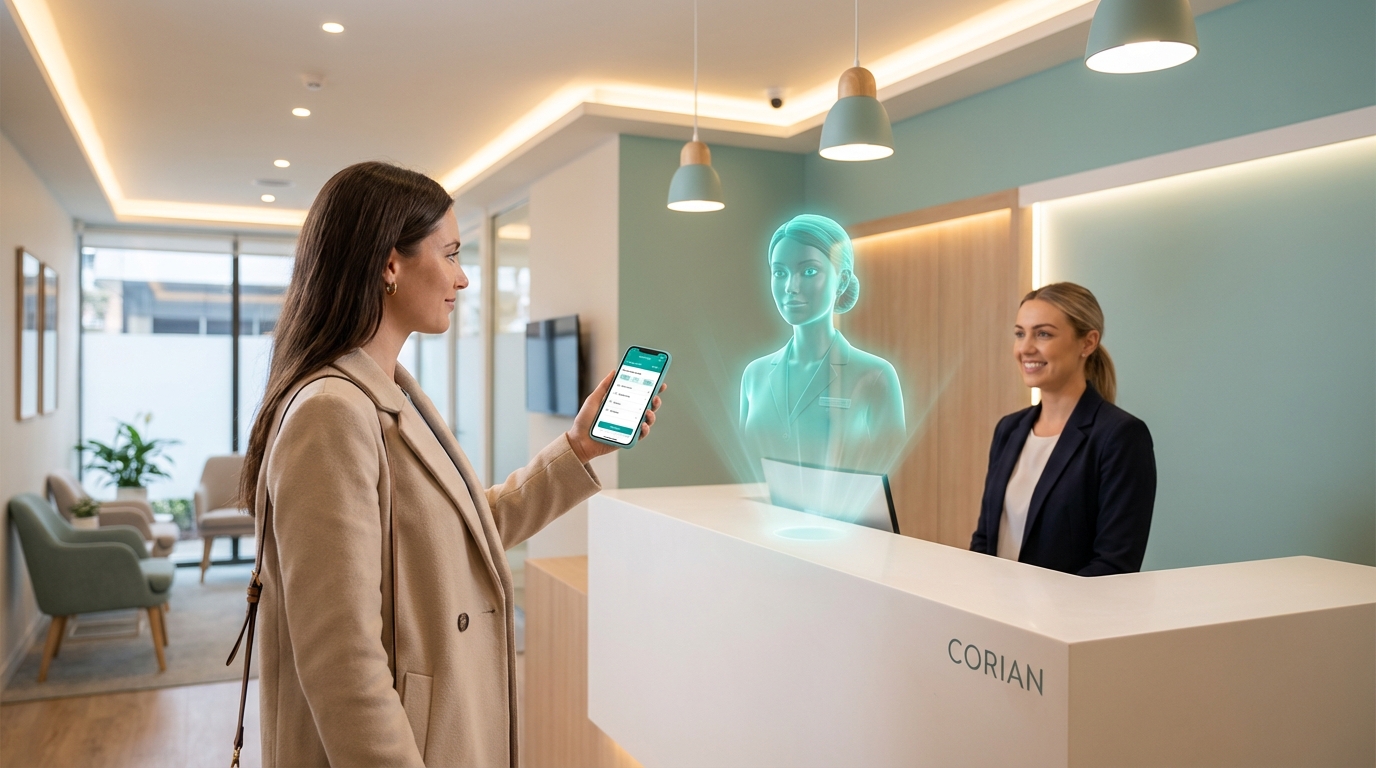
Actually delivering that experience costs an absolute fortune.
Hiring reception staff in the UK isn’t what it was five years ago. A full-time medical receptionist in London now commands £28,000 to £32,000 annually, and that’s before you factor in employer NI contributions, pensions, holiday cover, and the inevitable sick days. To cover your phone lines properly from 8am to 6pm, five days a week, you’re looking at minimum two full-time staff, possibly three if you want lunch coverage. That’s £60K-90K just to answer phones and book appointments.
And here’s the kicker: most of that work is glorified data entry.
This is where the AI receptionist for UK private medical practices enters the conversation. Not as some futuristic novelty, but as a legitimate operational upgrade. I know “AI” sounds like Silicon Valley nonsense that’ll somehow make your practice feel like a soulless call center. But bear with me here. Modern systems have gotten sophisticated enough that they actually bridge the gap between operational efficiency and that high-touch patient experience your consultants insist upon.
Why Now?
The automation conversation has shifted. We’re not talking about those ancient phone trees from 2003 where you press 7 for billing, then 3 for accounts, then lose the will to live. Modern patient communication AI understands context, speaks naturally (genuinely naturally, with British accents and everything), and integrates directly with your scheduling system so nothing gets lost in translation.
Practices I’ve seen adopt this aren’t cutting corners on care. They’re reallocating human attention to where it actually matters, like greeting the anxious patient in your waiting room rather than typing appointment reminders for the fourteenth time today.
What Exactly is a Virtual Medical Receptionist UK?

Let’s define what we’re actually talking about here. A virtual medical receptionist UK isn’t just a chatbot that pops up on your website with canned responses. It’s not one of those infuriating automated systems that makes you shout “REPRESENTATIVE” into your phone.
It’s a voice and text-based AI assistant built specifically for healthcare environments. Think of it as software that can hold an actual conversation with a patient, understanding what they’re asking for, accessing your clinic’s calendar in real time, booking an appointment, sending confirmation texts, and logging everything in your practice management system. All without a human touching any of it.
Beyond Basic Automation
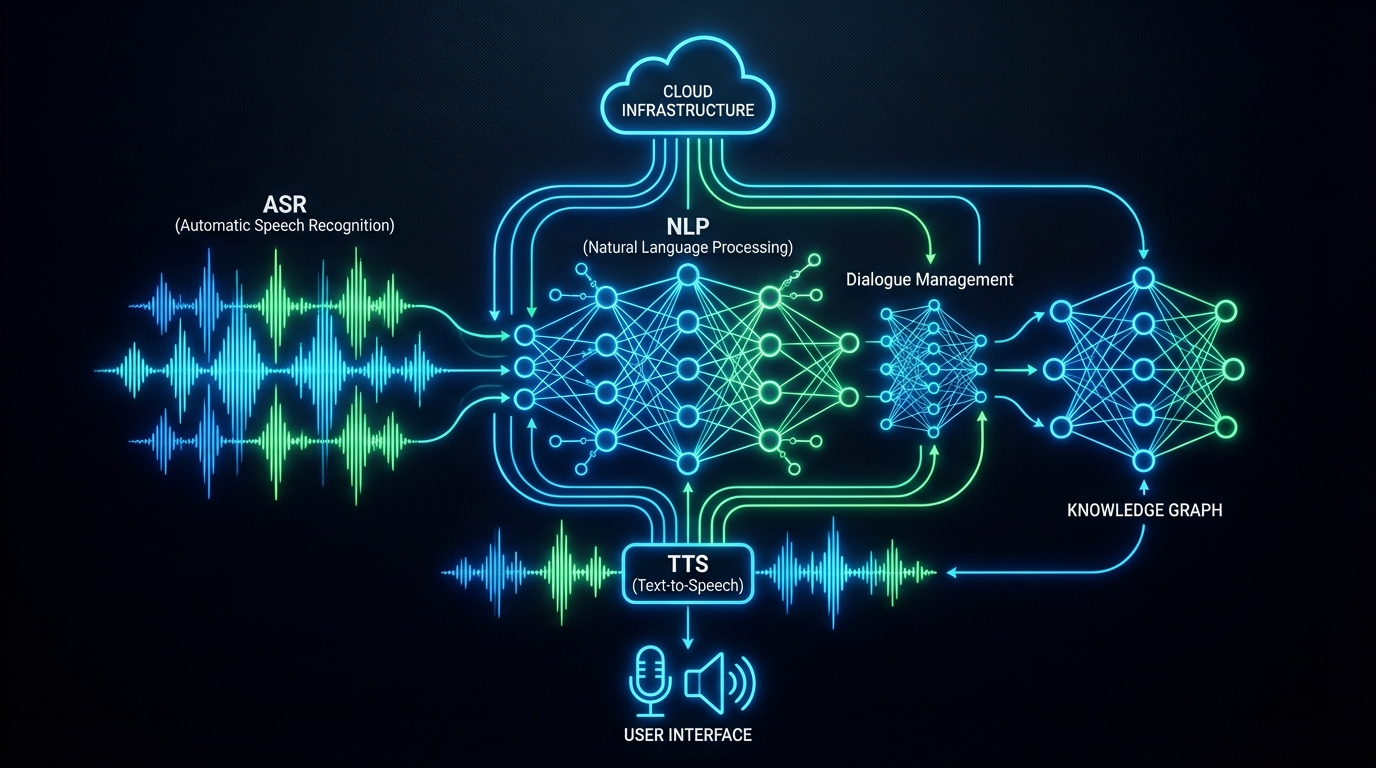
What makes these systems different from the old guard is natural language processing. The AI doesn’t just listen for keywords. It actually understands intent, which matters enormously in healthcare where someone might say “my tooth’s been playing up” rather than “I need a dental consultation for intermittent pain.”
Better platforms (and you absolutely need to be selective here) can handle British accents, regional dialects, medical terminology, and the kind of meandering explanations patients give when they’re nervous. According to resources like Heidi Health’s AI dental receptionist guide, these systems are already managing complex workflows like treatment follow-ups and new patient enquiries for cosmetic procedures across UK dental practices.
Core Platform Functions and 24/7 Enquiry Handling
Here’s what actually happens: your AI receptionist fields calls, texts, and sometimes web chat simultaneously. A patient calls at 11pm wondering if they can book a follow-up. Instead of reaching your voicemail, they get an actual conversation, your system checks available slots, books them in for Tuesday at 2pm, and sends confirmation immediately. Patient’s delighted. You’ve done nothing.
That’s not hypothetical. That’s Tuesday night in a practice that’s set this up properly, as detailed in QuantumLoopAI’s implementation for UK GP surgeries.
The Shift from Traditional Call Centers to AI Call Handling for Clinics

Most private practices I talk to have tried the medical answering service UK route. You outsource to a call center, they take messages during busy times or after hours, and theoretically you get a neat list of callbacks each morning.
Theoretically.
Drawbacks of Human Answering Services
Third-party answering services are better than nothing, but they’re expensive (often £500-1200 monthly for basic coverage) and frustratingly limited. They’re essentially paid note-takers.
Response times crater during peak hours, exactly when you need them most. Your patients are on hold, getting increasingly frustrated, while someone in a call center three cities away types “patient called about appointment” into a form. There’s no integration with your actual scheduling system, so they can’t book anything. They just… take a message. Which your staff then has to action manually. Which defeats half the point.
And here’s something nobody talks about: quality consistency is all over the place. You get different operators every time, each with varying knowledge of your clinic’s procedures, your consultants’ specialties, your fee structure. One operator tells a patient that initial consultations are £200, another says £180, and you’ve just created a minor administrative nightmare.
Advantages of AI Driven Systems
Compare that to AI call handling for clinics. Zero hold times, full stop. A well-configured system can handle 50 simultaneous calls without breaking a sweat. Every single patient gets answered immediately. Not in thirty seconds. Not “in the order your call was received.” Immediately.
Consistency is what gets me. The AI uses exactly the tone and language you’ve configured. Every time. It knows your fee schedule, your consultants’ availability, your policies on cancellations. It gives the same accurate information to the midnight caller and the 8am caller. According to implementation guides from UK providers like BookedSolid, these systems integrate directly with platforms like Cliniko, so when an appointment is booked, it’s actually booked, not just logged as a message for someone to handle later.
Every conversation gets transcribed automatically. You get actionable data immediately routed to the right person or system. A patient who called with chest pains gets escalated to your triage protocol within seconds. Someone asking about pricing for cosmetic procedures gets logged as a sales lead with their contact details already captured.
Honestly, the efficiency gap isn’t even close anymore.
Elevating the Premium Patient Experience

Let me address the elephant in the room. Private healthcare in the UK is a premium product. You’re competing on service quality, not just clinical outcomes. Your patients (let’s be real) are paying to avoid NHS wait times and to feel looked after. That “looked after” bit is important.
So there’s this immediate resistance to automation. “Our patients expect to speak to a person. They’re paying for white-glove service.” I get it. I’ve heard this concern at least three dozen times from practice managers.
Dispelling the Myth That Automation Compromises Bespoke Care
But here’s the thing: what patients actually want is instant answers and zero friction. They want to book an appointment at 10pm without waiting until your reception opens tomorrow. They want immediate confirmation. They want their questions answered now, not in two business hours when Sarah’s back from lunch.
You know what doesn’t feel premium? Being put on hold. Leaving a voicemail. Waiting 24 hours for someone to call back to schedule something.
AI doesn’t compromise bespoke care. It eliminates the tedious bits that were never bespoke to begin with. Nobody’s getting a warm fuzzy feeling from stating their date of birth for the third time or spelling their postcode letter by letter.
Freeing Your Human Staff for Actual Hospitality
What actually happens, and I’ve seen this transformation in practices that implemented it properly, is that your in-house reception staff stop being switchboard operators and become patient experience managers. They’re not frantically answering phones during the morning rush. They’re greeting people warmly at the door, noticing the nervous first-timer who needs extra reassurance, handling the complex insurance query that actually requires human judgment.
That’s the high-touch experience you’re selling. Not rote data entry.
Core Capabilities of an AI Receptionist for UK Private Medical Practices

Right, let’s get specific about what these systems actually do beyond answering phones. Because if it was just call handling, I wouldn’t be writing this much about it.
Intelligent Appointment Management
Core functionality is end-to-end appointment management. A patient calls wanting to see Dr. Patel for a dermatology consultation. The AI checks Dr. Patel’s availability in real time, not “I’ll check and call you back,” but actual immediate calendar access, offers available slots, books the patient’s preferred time, sends SMS confirmation, and drops the appointment details into your practice management system.
Automating the Entire Booking Process
Then it gets interesting. Patient cancels? The AI immediately identifies who’s on the waitlist for that slot and fires off automated messages offering the newly available appointment. BizChitChat AI’s system can process cancellations and automatically fill gaps before you’ve even noticed they exist.
Automated Follow-Ups for Patient Recovery
Follow-up automation is particularly clever. After a procedure or consultation, the system can automatically reach out days later: “How are you feeling after your procedure? Any concerns?” That’s the kind of attentive care that builds loyalty, and it happens without anyone on your team lifting a finger.
Reducing No Shows and Missed Appointments
Here’s a number that should get your attention: practices using strategic AI reminder workflows report up to 78% reduction in missed appointments, according to data from healthcare AI implementations tracked by Namos.ai.
I’m honestly surprised it’s that high. That’s not a marginal gain. That’s transformative. Though I’d love to see how they defined “missed appointment” in that study, since practices measure no-shows differently.
Strategic Reminder Workflows
Systems send reminders at optimal times (48 hours before, 24 hours before, morning of), via the patient’s preferred method: text, email, or voice call. If someone doesn’t confirm, it escalates to more direct outreach. Persistence pays off because no-shows are expensive. A missed £300 consultation is £300 you’ll never recover.
Patient Intake and Triage
Before a patient even walks through your door, the AI can collect preliminary information. Medical history updates, reason for visit, insurance details, consent forms, all gathered conversationally and securely stored.
Smart Routing of Queries
Smart routing is crucial here. Someone calling with chest pains gets immediately escalated to a human. Someone asking about your clinic hours gets an instant answer from the AI. Someone inquiring about complex treatment options gets logged for your clinical staff to call back. The system knows the difference.
It’s triage that actually works because the AI isn’t trying to replace medical judgment. It’s filtering the 80% of calls that don’t require medical judgment so your clinical staff can focus on the 20% that do.
Navigating UK Regulatory Compliance and Data Security

Alright, this is the bit where things get serious. Healthcare data in the UK isn’t just sensitive, it’s legally protected under some of the strictest regulations on the planet. If you’re going to automate patient communication, you absolutely cannot skip this part.
GDPR and UK Data Protection Compliance
Every conversation your AI has, every voice recording, every transcription, every piece of patient data, falls under GDPR. That means explicit consent, clear data retention policies, and storage on UK or EU servers (depending on your data processing agreements post-Brexit).
Meeting Local Storage Mandates
Platforms worth considering are explicit about this. They’ll detail exactly where data is stored, how long recordings are retained, and what encryption standards they use. Many UK healthcare AI systems draw from HIPAA-compliant frameworks developed in the US market and adapt them for UK data protection requirements, as noted by providers like Namos.ai who serve both markets.
You need audit trails. You need the ability to delete patient data on request. You need to know exactly who accessed what information and when. This isn’t optional stuff. It’s table stakes.
Care Quality Commission (CQC) Standards
If your practice falls under CQC oversight (and many private clinics do, especially if you’re providing surgical procedures or regulated treatments), your communication systems need to meet their standards for patient safety and accessible care.
Maintaining Accurate Records and Communication Logs
That means maintaining accurate records of every patient interaction. The AI system needs to log calls, store transcriptions, and integrate that information into patient records so there’s a complete communication history. When the CQC inspector shows up, you need to demonstrate that Mrs. Jenkins’ urgent callback request on Tuesday was properly logged and actioned.
DTAC Certification Significance
Here’s something most practice owners haven’t heard of yet: DTAC. The Digital Technology Assessment Criteria for health and social care is the NHS’s framework for evaluating digital health tools.
Why DTAC Matters for Private Clinics
While private practices aren’t legally required to use DTAC-certified products, it’s basically a stamp of approval that the technology meets healthcare-specific standards for clinical safety, data protection, technical security, and interoperability.
When you’re evaluating vendors, DTAC certification provides essential risk mitigation. QuantumLoopAI explicitly mentions their DTAC certification when marketing to GP surgeries. It’s become a differentiator that signals “we understand UK healthcare regulation” rather than “we’re a generic AI company that happens to work with clinics.”
I’d honestly be skeptical of any healthcare AI provider in the UK that can’t clearly articulate their regulatory compliance. This isn’t the area to go with the cheapest option or the flashiest demo.
Integrating Patient Communication AI with Clinical Systems

This is where a lot of implementations fail. You can have the most sophisticated AI in the world, but if it doesn’t talk to your existing practice management system, you’ve just created more work, not less.
EHR and PMS Synchronization
Your AI receptionist needs direct API connections with your clinical software. If you’re running Cliniko, Evolution, or any of the other popular UK clinic platforms, the AI should sync in real time. Not export a CSV once a day. Not send you a summary email to manually input. Real time, bidirectional integration.
Direct API Connections with UK Clinic Software
That means when the AI books an appointment, it appears instantly on Dr. Singh’s calendar. When Dr. Singh blocks out a day for annual leave, the AI immediately stops offering those slots. Data flows both directions constantly, which completely eliminates the nightmare scenario of double-booking.
According to BookedSolid’s implementation guide for UK clinics, proper PMS integration is non-negotiable for practices serious about automation. Without it, you’re essentially running two separate systems and manually reconciling them. Which is… the opposite of automation. (Okay, you probably knew that already.)
Automated Record Updating
Every phone call should generate a summary that drops directly into the patient’s digital file. “Patient called 22 Feb at 14:35. Requested appointment for persistent cough, 2 weeks duration. Booked with Dr. Martinez for 24 Feb 10:00. Sent SMS confirmation to mobile ending 4827.”
Streamlining the Audit Trail
That transcription goes straight into the patient record, timestamped and logged. No one’s typing notes. No one’s remembering to update the file later. The audit trail builds itself automatically.
For practices juggling CQC inspections or medical negligence insurance requirements, this automated documentation is gold. You can prove exactly when Mrs. Thompson called, what information she provided, and how your practice responded.
Alleviating Administrative Burden and Staff Burnout
Can we talk about receptionist turnover for a second? It’s brutal. Medical reception is repetitive, high-pressure, often thankless work. You’re dealing with anxious patients, demanding consultants, tight schedules, and the same questions eight hundred times a day.
Average tenure for medical reception staff in the UK hovers around 2-3 years, sometimes less in high-pressure environments. Every time someone leaves, you’re looking at recruitment costs, training time, and a solid six months before they’re genuinely efficient. It’s expensive and exhausting for everyone involved.
Shifting Receptionists from Call Operators to Patient Experience Managers
What I’ve observed in practices that implemented AI successfully: receptionist roles fundamentally change. They’re not chained to phones anymore, frantically toggling between calls. They’re not doing repetitive data entry for four hours straight.
They become the specialists who handle complex situations. The patient who’s confused about insurance coverage. The elderly person who needs extra time and reassurance. The complicated multi-appointment scheduling for a patient seeing three different consultants. The VIP client who expects to speak directly with someone senior.
These are the interactions where human judgment, empathy, and relationship-building actually matter. Where you get ROI from having a skilled person in the role.
Reducing Turnover Through Better Work
Burnout in medical administration is real, and it’s driven largely by monotony. Answering the same questions, doing the same tasks, feeling like a cog rather than a professional. According to analysis from BizChitChat AI on UK healthcare administration, reduction in repetitive tasks directly correlates with staff satisfaction and retention.
When you automate the soul-crushing bits (entering the same patient details again and again, sending routine reminders, answering “what are your opening hours” for the thousandth time) you’re not eliminating jobs. You’re making jobs better.
And frankly, you’re empowering your clinical staff too. When patient intake is pre-screened and properly logged, doctors aren’t wasting the first five minutes of every appointment gathering basic information. They walk in already briefed, ready to focus on actual medicine.
The Financial ROI of Private Clinic Automation
Let’s talk money. Because ultimately, if this doesn’t make financial sense, none of the other benefits matter.
Cost Reduction Metrics
Remember those staffing costs I mentioned? Two full-time receptionists at £30K each, plus employer costs, you’re at roughly £75,000 annually. A comprehensive AI receptionist system typically runs £200-600 monthly depending on call volume and features. Let’s be generous and say £500/month with setup costs. That’s £6,000 annually.
Math is almost absurd. You’re talking about 80% reduction in reception operational costs, which aligns with figures from QuantumLoopAI’s implementations across UK GP surgeries. Even if you keep one part-time receptionist for complex cases and in-person coverage, you’re still saving £40K-50K per year.
That’s not a marginal efficiency gain. That’s money you can reinvest in better equipment, additional consultants, marketing, or frankly just improved practice profitability.
Revenue Protection and Generation
But cost reduction is only half the equation.
Capturing Out-of-Hours Enquiries
How many potential patients have called your practice at 7pm, got your voicemail, and then called your competitor? You’ll never know, because they’re not your patients. With 24/7 AI handling, you capture every single enquiry, even the ones that come in at strange hours. The person who finally decides at 11:43pm on a Sunday after googling symptoms for an hour that yes, they really do need to see a specialist about that worrying symptom. They’re booking with you instead of making a list to call around tomorrow.
According to Heidi Health’s analysis of dental practice implementations, capturing after-hours enquiries represents meaningful new patient acquisition that previously leaked to competitors with better availability.
Waitlist Management and No-Show Recovery
Then there’s waitlist management. When someone cancels, that open slot gets immediately offered to your waitlist instead of sitting empty. The AI contacts people instantly, fills the gap, and you’ve just recovered revenue that would’ve evaporated. On a £300 consultation, that’s £300 pure recovery. Do that twice a week and you’re looking at £31,200 annually.
Combined with the no-show reduction (remember that 78% figure?), you’re protecting revenue that was already supposed to be on your books. If you’re losing £2,000 monthly to no-shows, and you cut that by three-quarters, that’s £18,000 recovered annually.
Run the full calculation: £50K in cost savings plus £30K-50K in revenue protection and new capture. You’re looking at £80K-100K annual impact for a mid-sized practice. The ROI timeline is measured in months, not years.
Real World Applications Across UK Medical Specialties

Implementation details vary significantly depending on your specialty. What works brilliantly for a dental practice might need adjustment for a consultant clinic in Harley Street.
Private Dental Practices
Dental is honestly where this technology shines brightest. Dental practices run on volume, routine appointments, and frequent recalls. It’s perfect for automation.
Managing Routine Check-Ups and Complex Treatment Follow-Ups
The AI handles routine check-up reminders (“You’re due for your six-month hygiene appointment”) and manages the entire booking flow. For cosmetic procedures, where you’re fielding constant new patient enquiries about veneers, whitening, Invisalign, the AI can provide initial information, discuss pricing frameworks, and book consultation appointments. As detailed in Heidi Health’s guide specifically for UK dental receptionists, these systems manage everything from treatment follow-ups to handling the high inquiry volumes that cosmetic dentistry generates.
Private GP Surgeries and Family Medicine
GP practices have a different challenge: triage. Not every call is “I’d like to book an appointment.” Many are “I have this symptom, what should I do?”
Triaging Urgent Requests and Managing Prescriptions
AI needs sophisticated decision trees here. Chest pain? Immediate escalation to a clinician. Persistent headache? Questions about duration, severity, other symptoms, then appropriate routing. Repeat prescription request? Process it, check against last issue date, flag for approval. Same-day urgent appointment? Check availability, assess urgency level, book or add to triage list.
Complexity is higher, but administrative relief is massive. GP reception staff spend enormous amounts of time on phones doing exactly this kind of initial assessment. Automating even 60% of it transforms the workload.
Specialist and Consultant Clinics
Harley Street consultants, private oncology specialists, fertility clinics, these practices have different priorities. Lower volume, higher complexity, often VIP patients who expect exceptional service.
Handling Complex Referral Intakes
Here, the AI functions more as a sophisticated first-line filter. It handles referral intakes, collecting detailed information from referring GPs or patient self-referrals. It manages the extensive paperwork that complex treatments require.
Bespoke VIP Communication Protocols
You can configure different handling rules for different patient segments. Your private equity client who paid £15,000 for a treatment package gets flagged for priority handling. The AI knows to alert your senior receptionist immediately rather than processing through standard workflows.
Flexibility matters enormously here because cookie-cutter automation doesn’t work when you’re dealing with patients who have wildly different expectations and needs.
Common Misconceptions About AI in Private Healthcare

Every time I discuss this with practice owners, the same concerns surface. Let me address them head-on.
The “Robotic” Stigma
“Won’t patients hate talking to a robot?” It’s the first objection, every time.
And look, if we were talking about that automated voice from 2005 saying “I THINK YOU SAID APPOINTMENTS. IS THAT CORRECT?” then yes, patients would absolutely hate it.
How Conversational AI Sounds Empathetic
Modern conversational AI uses natural voice synthesis that’s genuinely difficult to distinguish from human speech. It has appropriate pauses, natural intonation, British accents (not that mid-Atlantic corporate voice), and casual language. “Oh, you’re looking to book a follow-up with Dr. Chen? Let me check what she has available this week…”
It sounds like a professional receptionist. Because that’s what it’s designed to sound like.
Patient Adoption Rates
Here’s what actually happens when you deploy this: patients overwhelmingly prefer it. Not despite it being AI, but because it answers immediately.
You know what patients hate? Hold music. Voicemail. Calling during lunch hour and getting a busy signal. Calling at 6:05pm and reaching the after-hours message.
AI picks up instantly, every time, and gets them booked in under two minutes. That’s a better experience than waiting on hold for six minutes to speak to a harried receptionist who’s trying to juggle three other calls.
Patient satisfaction scores typically improve with implementation, not decline. Because responsiveness matters more than whether there’s a human on the other end of basic appointment scheduling.
The Fear of Clinical Errors
“What if the AI gives wrong medical advice?”
Valid concern. But the answer is: it shouldn’t be giving medical advice at all.
Built-In Safety Guardrails
Proper AI implementation has clear guardrails. The system handles administrative tasks, booking, information provision, basic triage routing. It doesn’t diagnose. It doesn’t recommend treatments. It doesn’t make clinical judgments.
If someone calls with a complex medical question, the AI recognizes that it’s beyond its scope and immediately escalates: “That’s something I should connect you with one of our clinicians about. Let me get someone on the line who can help properly.”
Safety protocols are built in. And frankly, they’re often more reliable than a receptionist who might accidentally say something clinically inaccurate because they’re not medically trained either. At least the AI never gets flustered or confused.
Step by Step Guide to Implementing Your First AI System

Right, you’re convinced it’s worth exploring. How do you actually do this without disrupting your entire practice?
Phase 1: Operational Audit
Before you speak to a single vendor, audit your current phone operations for two weeks. You need baseline data.
Analyzing Peak Call Times and Bottleneck Areas
Track peak call times. Monday mornings are usually chaos, quantify it. Count call volumes by hour. Categorize common enquiry types: appointment booking, appointment changes, general questions, clinical queries, billing questions. How many calls could be handled by pure information provision versus actual judgment calls?
Identify your bottleneck areas. Is it appointment booking that overwhelms staff? Is it after-hours calls going to voicemail? Is it follow-up appointment scheduling post-procedure?
You need to know what you’re solving for. Otherwise, you’ll implement a system that automates the wrong things.
Phase 2: Vendor Selection and Setup
Choose vendors with explicit UK healthcare compliance. Ask specifically about GDPR, data storage locations, DTAC certification, and CQC-relevant features.
Choosing UK-Compliant Vendors
Get detailed demos with your actual use cases. Make them show you how the system would handle your specific appointment types, your consultants’ varying schedules, your edge cases. If you have a complex referral process, make them demonstrate that workflow.
Check integration compatibility with your current practice management system. Get technical specifics, not vague assurances. You want API documentation, implementation timelines, and realistic assessments of what will and won’t integrate smoothly.
Customizing the AI Knowledge Base
During setup, the critical piece is customizing the knowledge base. The AI needs to know your clinic’s specific FAQs, fee structure, consultant bios, locations, procedures offered, insurance partnerships, everything a good receptionist would know after six months on the job. This takes time. Budget for it.
And brand tone matters more than you’d think. Is your practice warm and conversational, or more formal and corporate? AI’s language should match your existing patient communication style. Most platforms let you adjust personality settings and script guidelines.
Phase 3: Deployment and Training
Don’t flip the switch on Monday morning. Do a soft launch.
Conducting Soft Launches and Testing
Start with after-hours only. Let the AI handle nights and weekends when no one’s in the office anyway. You’ll identify issues, odd phrasing, integration hiccups, patients asking questions the AI wasn’t prepared for, without impacting daily operations.
Run this for two weeks, minimum. Review every single call transcript. Note what worked and what needed human intervention. Refine the knowledge base and workflows based on real usage.
Then expand to overflow handling during business hours. The AI takes calls when your reception staff are already on the line. You’re not replacing human handling yet, you’re augmenting it during peak times.
Training Staff on the AI Dashboard
Once you’re confident it’s working properly, you can shift to AI-first handling with clear escalation paths to human staff.
And crucially, train your in-house team on the AI dashboard. They need to know how to monitor calls in real-time, how to see transcripts, how to override or escalate when needed, and how to adjust system behavior. The AI isn’t replacing them. It’s a tool they’re managing.
Conclusion: The Future of High Touch Care in the UK

I think we’re at an inflection point in private healthcare administration. Practices that embrace intelligent automation in the next 12-24 months will have a significant competitive advantage over those clinging to traditional staffing models.
This isn’t about cutting corners or cheapening the patient experience. It’s about resource allocation. Putting human attention where humans add unique value, and automating the repetitive administrative work that honestly didn’t need a human in the first place.
Economics are too compelling to ignore. An 80% reduction in reception costs while simultaneously improving response times, reducing no-shows, and capturing after-hours enquiries? That’s not marginal improvement. That’s transformation.
But here’s the uncomfortable bit: if you’re not even exploring this, your competitors probably are. A clinic down the road that offers instant booking 24/7 while you’re still taking voicemails looks more professional and convenient to patients who don’t know or care whether there’s a human or AI answering the phone. They just want service.
So here’s what I’d recommend: audit your front desk workflows this week. Seriously, just spend two days tracking calls, categorizing them, and identifying bottlenecks. You’ll learn something useful even if you do nothing else.
Then have a conversation with one or two vendors with actual UK healthcare credentials. Get real demos with your specific use cases. See what’s possible. Modern systems deserve serious consideration, not dismissal based on what automated phone systems looked like a decade ago.
Private practice management in the UK is heading toward some level of intelligent automation. I’m not entirely sure every practice will get there smoothly, but the direction seems clear. The only question is whether you’re an early adopter who captures the advantages, or playing catch-up in three years when it’s become table stakes.